


Sperm Problem Treatment in Indore – Dr. Ankur Agarwal
Are you worried about sperm problems, difficulty conceiving, or male reproductive health? These concerns can impact physical health, emotional well-being, and relationships. Many men hesitate to seek medical advice due to embarrassment or lack of information. However, understanding the underlying cause is the first step toward proper care.
If you're looking for treatment for sperm problems in Indore, Dr. Ankur Agarwal offers sexual health consultations at Skin Sex & AIDS Awareness Center, Vikram Tower, Sapna Sangeeta Road, Indore.
Sperm-related concerns may include problems with sperm count, motility, morphology, semen quality, or ejaculation. Some problems may be related to hormonal changes, infections, reproductive conditions, lifestyle factors, or other medical issues.
A proper medical examination is essential before choosing any treatment. Depending on the results, patients may need to be evaluated by a urologist, andrologist, or male fertility specialist. The purpose is to understand the concern, identify the next steps, and guide patients to appropriate medical care.
What are sperm problems?
Sperm problems are conditions that can affect sperm production, sperm movement, sperm structure, or the sperm's ability to reach and fertilize an egg.
These concerns are typically investigated during male fertility evaluations.
Some commonly diagnosed sperm-related conditions include:
1. Low sperm count (oligozoospermia)
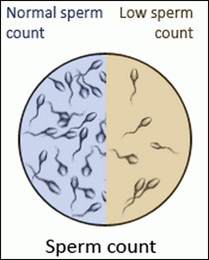
A low sperm count means a lower concentration of sperm in the semen than the reference limit.
Potential causes include hormonal imbalances, certain medical conditions, reproductive tract problems, genetic factors, and certain medications or lifestyle exposures.
Semen analysis helps determine sperm concentration and other important parameters.
2. Reduced Sperm Motility (Asthenozoospermia)
Sperm motility refers to the movement of sperm cells.
Progressive motility refers to sperm that move effectively. Low motility can affect the ability of sperm to travel through the female reproductive tract. A lab semen analysis helps assess sperm movement and determine whether further testing is needed.
3. Abnormal Sperm Morphology (Teratozoospermia)
Sperm morphology refers to the shape and structure of sperm cells.
Semen analysis determines the percentage of normal-appearing sperm. Abnormal morphology can be considered in conjunction with sperm concentration, motility, and a couple's overall fertility assessment.
Abnormal morphology alone does not determine whether a man can father a child.
4. Absence of sperm in semen (azoospermia)
Azoospermia is a condition in which sperm are not detected in the ejaculate during a semen analysis.
Possible causes include:
* Blockages in the reproductive tract
* Problems with sperm production
* Certain hormonal conditions
* Genetic conditions
* Previous infections or reproductive procedures
Further investigation is necessary to distinguish between obstructive and non-obstructive azoospermia. Men with azoospermia should be evaluated by a qualified male reproductive specialist.
5. Changes in semen quality
Changes in the quantity, consistency, or appearance of semen may sometimes be associated with a reproductive or medical condition.
However, the appearance of semen alone cannot determine sperm count, sperm quality, or fertility.
When a medical problem is suspected, laboratory testing is necessary.
6. Ejaculation Problems
Some ejaculation problems can affect the delivery of semen during intercourse.
For example:
* Delayed ejaculation
* Retrograde ejaculation
* Difficulty ejaculating
* Low or no ejaculation
These conditions may require a sexual health assessment and, in some cases, specialist reproductive testing.
Common Causes of Sperm Problems in Men
Sperm problems can occur for a variety of reasons. It's important to determine the underlying cause, as treatment varies based on the diagnosis.
1. Hormonal Imbalance
Hormones such as testosterone, follicle-stimulating hormone (FSH), and luteinizing hormone (LH) play a key role in male reproductive function.
Hormonal imbalances can affect sperm production and reproductive health.
2. Varicocele
A varicocele is an enlargement of the veins within the scrotum. In some men, it may be associated with decreased sperm production or abnormal semen parameters.
A specialist examination can help determine whether further investigation or treatment is appropriate.
3. Infection and Inflammation
Some reproductive tract infections and inflammatory conditions can impact reproductive health.
Medical evaluation is necessary when symptoms such as pain, swelling, fever, burning during urination, or abnormal discharge occur. 4. Lifestyle and Environmental Factors
Certain lifestyle and environmental exposures can affect men's reproductive health.
Potential factors include:
* Smoking and tobacco use
* Excessive alcohol consumption
* Recreational drug use
* Anabolic steroid use
* Obesity and poor metabolic health
* Certain work or environmental exposures
* Prolonged exposure to extreme heat
Not every exposure causes infertility, and the effect varies from person to person.
5. Medical Conditions and Medications
Diabetes, certain hormonal conditions, previous testicular injuries, infections, and certain treatments can affect reproductive function.
Certain medications, chemotherapy, and anabolic steroids can also affect sperm production. Patients should discuss their medication history with their doctor and should not discontinue prescribed medications on their own.
6. Genetic and Reproductive Conditions
Some genetic conditions can affect testicular development, sperm production, or sperm transport.
If indicated, a male fertility specialist may recommend additional testing.
Symptoms That May Indicate a Sperm or Male Fertility Problem
Many men with abnormal semen parameters do not experience any specific physical symptoms. In some cases, fertility problems may be the first sign of an underlying concern.
Possible symptoms that require medical evaluation include:
* Difficulty conceiving despite regular unprotected intercourse
* Previously reported low sperm count
* Abnormal semen analysis results
* Testicular pain or swelling
* A lump or abnormal change in the scrotum
* Decreased sexual desire
* Difficulty erecting or ejaculating
* A history of testicular injury or surgery
* Previous reproductive tract infection
These symptoms do not automatically indicate male infertility. A proper evaluation is essential to understand their significance.
Diagnosis and Evaluation of Sperm Problems
Proper treatment begins with understanding the underlying condition. Doctors may recommend various tests based on the patient's medical history, symptoms, and previous reports. 1. Medical and Reproductive History
This evaluation may include questions about:
* How long you've had trouble conceiving
* Previous fertility tests
* Sexual and reproductive health
* Previous infections or injuries
* Medical and surgical history
* Current and past medications
* Lifestyle and work-related risks
* Previous fertility treatments
2. Semen Analysis
Semen analysis is one of the most important initial tests used to assess male fertility.
It typically measures:
* Sperm concentration: the number of sperm in each ml of semen
* Total sperm count: the total number of sperm in an ejaculate
* Sperm motility: the movement of sperm
* Sperm morphology: the percentage of normally shaped sperm
* Semen volume: the amount of semen produced
* Sperm vitality: the percentage of viable sperm
A single abnormal result may not provide a complete picture. Retesting may be recommended, as semen parameters can vary between samples. 3. Hormonal Blood Tests
Based on clinical results, your doctor may recommend the following tests:
* Testosterone
* Follicle-stimulating hormone (FSH)
* Luteinizing hormone (LH)
* Prolactin, if indicated
* Other hormonal tests, if needed
These tests can help identify hormonal factors affecting reproductive health.
4. Physical Examination
A specialist can examine the reproductive organs to assess testicular size, possible varicoceles, anatomical abnormalities, and other important information.
5. Further Testing
Depending on the clinical situation, further testing may include genetic testing, ultrasound, or selected specialized lab tests.
Not every patient needs every test. Testing should be based on medical results and specialist advice.
Treatment Options for Sperm Problems
There is no single treatment for every sperm problem. Management depends on the cause, severity of the condition, medical history, and reproductive goals.
1. Treatment of Identified Medical Conditions
When an underlying medical condition is identified, the doctor may recommend appropriate treatment or referral to a related specialist.
For example, certain infections, hormonal disorders, and reproductive tract conditions may require specific medical management.
2. Hormonal Treatment, If Indicated
Certain hormonal conditions can be treated with appropriate medications under the supervision of a specialist.
Men trying to conceive should not initiate testosterone treatment on their own, as external testosterone can suppress sperm production.
3. Lifestyle and Health Management
Lifestyle changes can help with general and reproductive health. A healthcare professional may recommend:
* Maintaining a healthy body weight
* Eating a balanced and nutritious diet
* Regular physical activity
* Avoiding tobacco and recreational drugs
* Limiting or avoiding alcohol
* Getting enough sleep
* Managing diabetes and other chronic diseases
* Avoiding anabolic steroids, unless medically indicated
Lifestyle changes are supportive measures and not a definitive cure for infertility.
4. Specialist Treatment for Varicoceles
In select patients, a male reproductive specialist may consider treating varicoceles after assessing symptoms, test results, and fertility parameters.
Treatment is not necessary for everyone with varicoceles.
5. Management of Obstructive Problems
When sperm transport is affected by a blockage, a urologist or male fertility specialist can determine if a corrective procedure or other fertility approach is appropriate. 6. Assisted Reproductive Techniques
For some couples, fertility treatment may include assisted reproductive techniques, such as:
* Intrauterine insemination (IUI)
* In-vitro fertilization (IVF)
* Intracytoplasmic sperm injection (ICSI)
* Surgical sperm retrieval in certain cases
These procedures are performed in fertility centers with the appropriate equipment and should only be recommended after a thorough fertility assessment.
Why consult Dr. Ankur Agarwal in Indore?
Dr. Ankur Agarwal provides sexual health consultations at Skin Sex & AIDS Awareness Center, Vikram Tower, Sapna Sangeeta Road, Indore.
His published clinical focus includes male and female sexual health concerns, erectile dysfunction, premature ejaculation, low libido, delayed ejaculation, retrograde ejaculation, and performance anxiety.
For men who have sexual health symptoms as well as sperm concerns, a confidential consultation can help them discuss the issue and understand the right next steps. Depending on the medical examination, patients may be advised to have a semen analysis, further testing, or consult a qualified urologist, andrologist, or fertility specialist.
Reasons to Seek Consultation
* To discuss concerns related to men's sexual and reproductive health
* To understand possible causes of difficulty conceiving
* To discuss ejaculation problems
* To review current medical or semen analysis reports
* To understand which tests may be appropriate
* To seek guidance on further testing with a specialist, if needed
The correct diagnosis and treatment plan depend on each individual's medical assessment. No specific fertility outcome can be guaranteed.
Book a Confidential Sexual Health Consultation in Indore
Sperm-related concerns can be stressful, but avoiding medical advice can delay the diagnosis of an underlying problem.
Dr. Ankur Agarwal provides private sexual health consultations at Skin Sex & AIDS Awareness Centre in Indore. Men can discuss their concerns in a confidential clinical setting and understand whether further fertility testing or specialist assessment is needed.
Contact the clinic to confirm appointment availability and consultation details.
Frequently Asked Questions – Treatment for Sperm Problems in Indore
1. Which doctor should I consult for sperm problems in Indore?
Sperm problems may require evaluation by a urologist, andrologist, or male fertility specialist. Men with sexual health concerns can also schedule an initial sexual health consultation with Dr. Ankur Agarwal in Indore to discuss the right next steps.
2. What are the common causes of sperm problems in men?
Possible causes include hormonal imbalances, varicoceles, reproductive tract infections, genetic conditions, certain medications, testicular injuries, and lifestyle or environmental factors. The causes vary from person to person.
3. How do I know if I have a low sperm count?
A laboratory semen analysis measures sperm concentration and other semen parameters. The doctor should interpret the results within the context of a complete fertility assessment.
4. What is a normal sperm count?
The WHO-based reference values used in the 2026 NICE Fertility Guidance list a sperm concentration of approximately 16 million sperm per milliliter as a low reference value. This is not a strict dividing line between fertility and infertility. Other semen parameters and the couple's overall reproductive health also play a role.
5. Can low sperm count be treated?
Treatment depends on the underlying cause. Some medical conditions can be treated, while others may require specialist fertility management or assisted reproductive techniques.
6. What is azoospermia?
Azoospermia means that no sperm are detected in the ejaculate during semen analysis. This may be due to a blockage in sperm transport or reduced sperm production and requires specialist evaluation.
7. Can sperm motility improve?
In some cases, sperm motility may improve when an underlying medical or lifestyle factor is corrected. The outcome depends on the cause and the individual's response to treatment.
8. Does sperm morphology affect fertility?
Sperm morphology describes the shape and structure of sperm. Abnormal morphology may be important for fertility assessment, but it should not be considered evidence of infertility.
9. What test is used to check sperm quality?
Semen analysis is a commonly recommended initial test. It measures sperm concentration, total sperm count, motility, morphology, and other semen characteristics.
10. Should a semen analysis be repeated?
If the initial result is abnormal, a repeat test may be recommended, as semen parameters can vary. The treating doctor should decide on the timing.
11. Can stress affect male fertility?
Stress can affect sexual function, sleep, lifestyle, and general health. Its relationship to sperm parameters is complex, so persistent fertility concerns should be medically evaluated and not simply attributed to stress.
| Tags: | #Sperm Problem Treatment in Indore |


